Deals

Showing posts with label health. Show all posts

Monday, May 12, 2025

Drinking too much Tea or Coffee is not good for your Health

Nowadays, a lot of people have started taking care of their health. They have started eating a proper diet and multi-grains. But no matter how much people take care of their health, one habit many cannot give up is drinking tea and coffee.

No one can give up this habit so easily. Going a step further, some people may have the habit of drinking too much tea and coffee in a day. If you are such a person, this problem may affect your health. Let us see what it is.

We always feel refreshed when we drink tea or coffee. However, working people and those under stress drink tea or coffee four to five times daily. A study has revealed that if you have the habit of drinking too much tea or coffee every day, you may get a stomach-related problem like IBS (irritable bowel syndrome).

It is said that if you have irritable bowel syndrome, a gastrointestinal disorder, you may experience many physical discomforts such as bloating, stomach pain, gas, and having to go to the bathroom after eating. Therefore, tea and coffee drinkers should consume them in moderation. 

Benefit of Oats for Health


Oats are emphasized as a super food that is high in nutrients. Because of its high fiber content and heart-healthy advantages, it is constantly advised. Notwithstanding its advantages, health professionals warn that Oats could not be appropriate for everyone and could even be harmful to certain people. Oats are a common breakfast option and come as overnight Oats and Oatmeal.

However, they should be avoided by those who have particular sensitivities or medical issues. Those who have an allergy to Oats should stay away from them entirely since they may cause symptoms like respiratory or stomach problems. Oats may be difficult for people with irritable bowel syndrome to eat. Their high soluble fiber content is the cause. This may result in bloating, stomach discomfort, and gas issues.

Phytic acid is another antinutrient found in Oats. This stops minerals like calcium, zinc, and iron from being absorbed.  Most people might not be concerned about this, but those who already have mineral deficiencies should limit their intake of Oats. It is recommended that patients with chronic renal disease stay away from Oats completely. It is because they have a lot of phosphorus.

Weakened kidneys may be further stressed by this. Additionally, before incorporating Oats into their diet, diabetics are encouraged to speak with a physician. This is due to the fact that Oats' combination of carbohydrates can alter blood sugar levels. There are numerous health advantages to eating Oats. Oats, according to experts, should be consumed in accordance with each person's unique health requirements and circumstances. 

Thursday, May 8, 2025

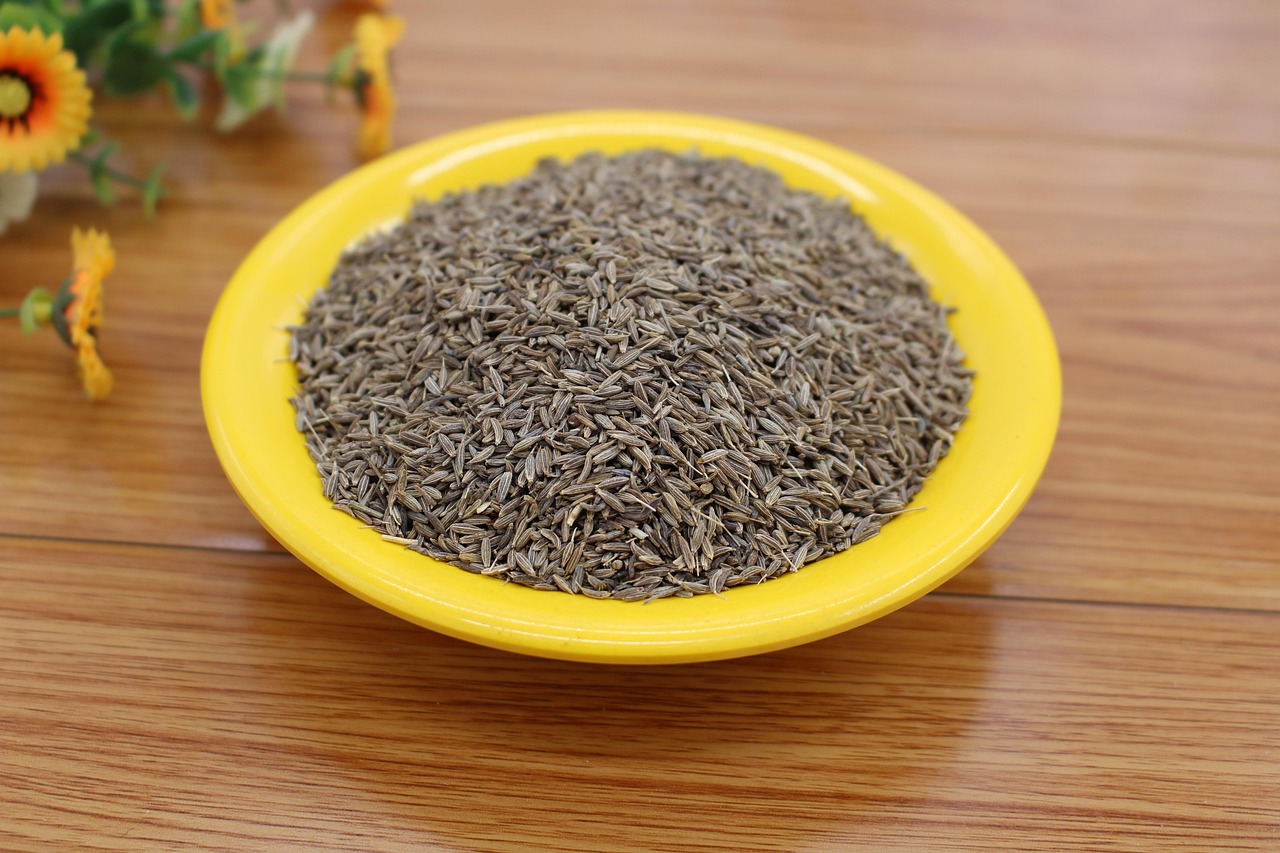
2 Benefits of Drinking Cumin Water


Cumin water offers many benefits, including lowering diabetes levels and increasing metabolism. It is a popular spice that many people use every day. Cumin contains important nutrients like calcium, magnesium, and iron, which help with various health problems.

Here are some of the key health benefits of drinking cumin water.

Cumin water is not a quick drink to make. You should take some steps before you start using it. Simply take one large tablespoon of cumin seeds, put them in a glass of water, cover them, and let them sit overnight. On the next day, pour the cumin water mixture into a vessel and heat it.

When the water had boiled enough, filter out the cumin from the water. Drink cumin water every day to experience the amazing health benefits it offers. It is important to drink a glass of cumin water every morning on an empty stomach.

1. Cumin water can help you lose weight if you drink it regularly for at least ten to fifteen weeks. It's important to remember to support it with a healthy diet and regular exercise.

2. Drinking cumin water every day can stop constipation from happening. Constipation affects people of all ages, from teenagers to adults. It can cause many other health problems that take a long time to heal such as issues with the urinary system hemorrhoids and anal fissures. 

Monday, May 5, 2025

7 Health Benefits of Fasting

In recent years, scientific research has highlighted several potential health benefits associated with fasting, especially when done correctly and under proper guidance.

Here’s a detailed look at the main health benefits of fasting.

1. Weight Loss and Improved Metabolism:

Fasting helps the body switch from burning glucose for energy to burning stored fat, which can lead to significant reductions in body fat. Intermittent fasting methods, such as the 16:8 method or alternate-day fasting, can reduce calorie intake and improve metabolic function. Fasting can also increase norepinephrine, a hormone that boosts metabolism, helping the body burn more calories.

2. Improved Insulin Sensitivity:

Fasting has shown promising effects on blood sugar control. By reducing insulin resistance, fasting can make the body more responsive to insulin, which lowers blood sugar levels and may help prevent type 2 diabetes. Several studies indicate that intermittent fasting reduces fasting insulin levels by up to 30% and blood sugar by 6%. These improvements are especially beneficial for individuals with pre-diabetes or metabolic syndrome.

3. Cellular Repair and Longevity:

During fasting, the body initiates a process called autophagy, in which cells remove damaged components and regenerate new ones. This “clean-up” process helps reduce inflammation, slows aging, and improves cellular function. Autophagy is considered a key mechanism in preventing chronic diseases like cancer, Alzheimer’s, and Parkinson’s. Moreover, studies on animals have shown that calorie restriction and fasting can extend lifespan and improve resilience to age-related diseases.

4. Reduced Inflammation and Improved Heart Health:

Fasting can improve heart health by lowering blood pressure, cholesterol levels, triglycerides, and inflammatory cytokines. By improving these cardiovascular risk factors, fasting contributes to a lower risk of heart disease and stroke.

5. Enhanced Brain Function:

Fasting has a positive impact on brain health. It promotes the production of brain-derived neurotrophic factor (BDNF), a protein that supports brain function, improves memory, and enhances cognitive performance. Fasting may also protect the brain from oxidative stress and inflammation, reducing the risk of neurodegenerative diseases. Some studies suggest that intermittent fasting can improve focus, mental clarity, and mood by stabilizing blood sugar and reducing energy crashes.

6. Digestive System Reset and Gut Health:

Taking breaks from constant eating gives the digestive system time to rest and repair.  It also allows the gastrointestinal lining to heal, improving overall digestive efficiency.

7. Mental and Emotional Benefits:

Fasting is not only a physical practice but also offers psychological benefits.  The routine can foster a healthier relationship with food by breaking habits of overeating or emotional eating.